
Eating Art Plexus Campboll'S Soup Cans
Eating Art
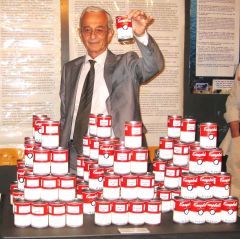
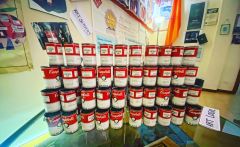
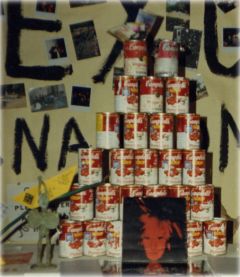
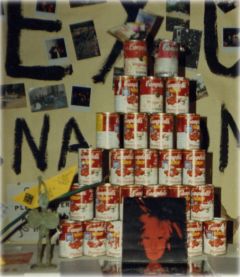
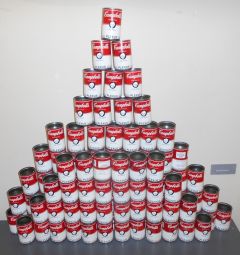
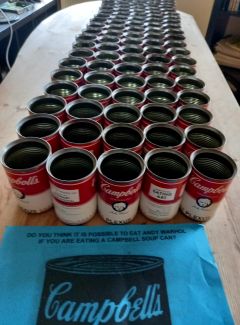
100 Plexus Camboll'S Soup Cans Limited Editions Made In The 80'S For The 90's
Historical Background
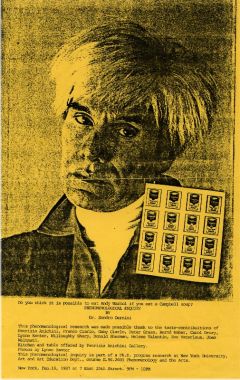
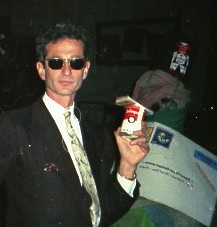
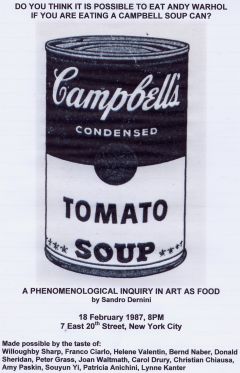
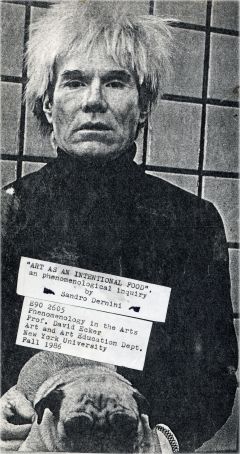
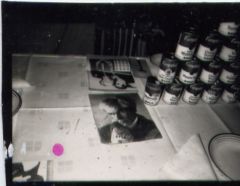
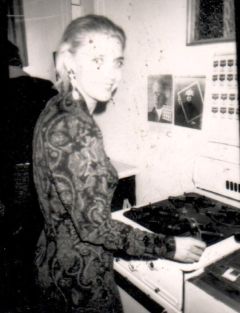
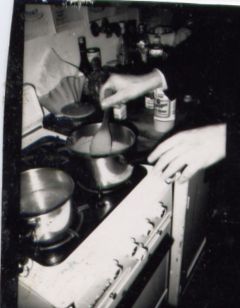
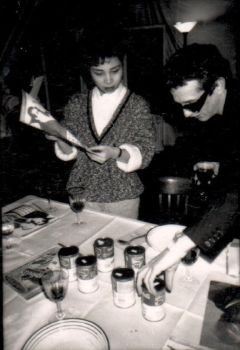
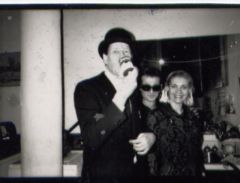
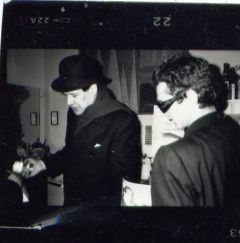
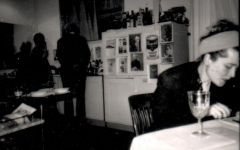
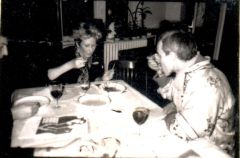
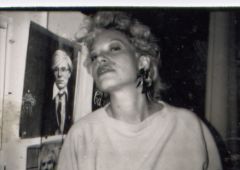
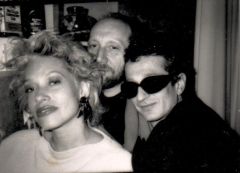
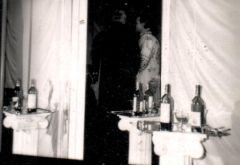
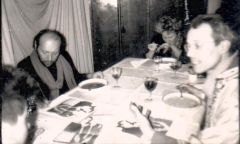
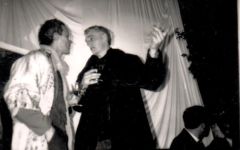
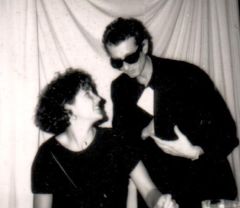
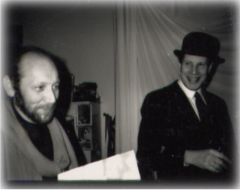
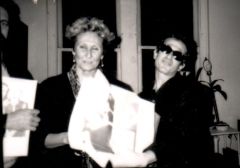
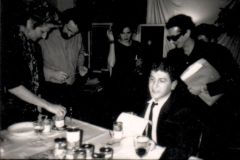
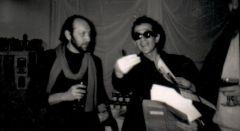
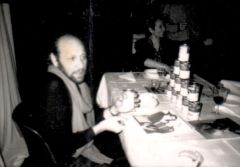
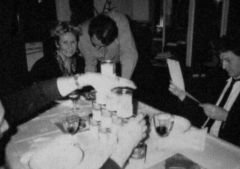
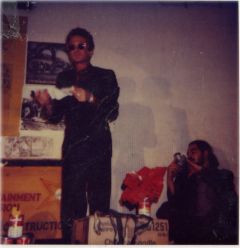
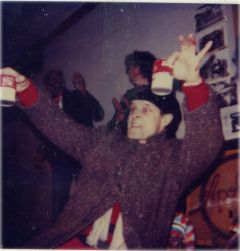
On 18 February 1987, in New York, at the Patrizia Anichini Gallery, I RITUALLY performed
Do you think that it is possible to eat Andy Warhol by eating a Plexus Campboll's Soup Can?
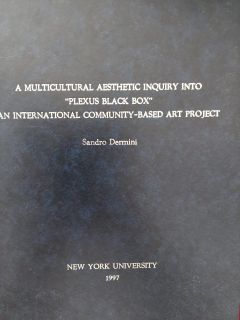
as an aesthetic inquiry for my PhD course E90.2605 on Phenomenology and the Arts at New York University, directed by prof. David W. Ecker, to achieve a basic knowledge of the literature of phenomenological aesthetics and skills in phenomenological inquiry in the arts.

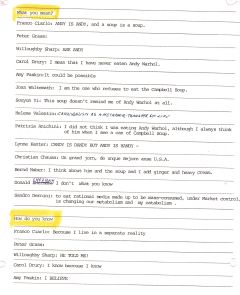
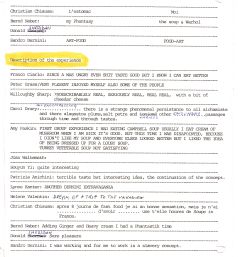
Questionnaire
Do you think it is possible that you have eaten Andy Warhol when before you ate that Campbell soup two minutes ago?
- Suspend your belief before to answer to these questions. Answer: yes or no?
- What you mean?
- How do you know?
- How was the taste?
- Is it true or not?
- Who was the subject? Who was the object?
- Description of the experience
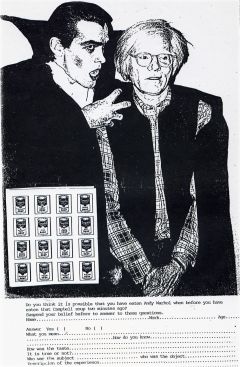
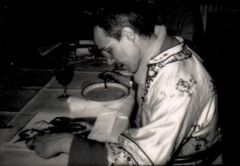
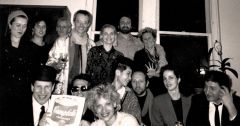


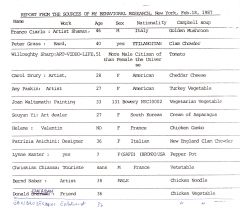
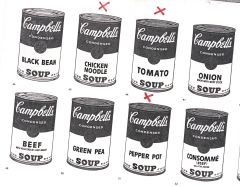
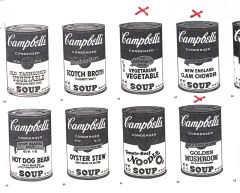
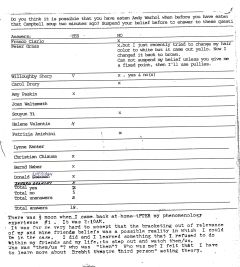
Few nights after, on 22 February 1987, Andy Warhol died!
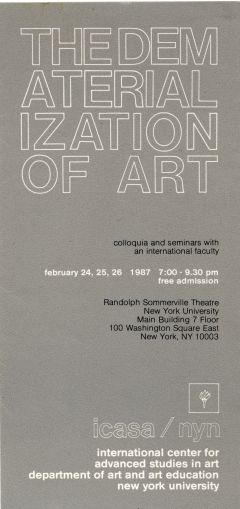
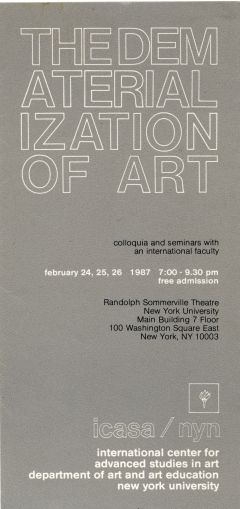
On 24 February, at the opening of the Dematerialization of Art Symposium, Lenny Horowitz and Stephen Di Lauro, two Plexus historical players, by briefing the floor on the Sandro Dernini's performance "Do you think that is possible to eat Andy Warlol by eating a Cambell's Soup 's performance, posed a question to the panelist about this potential dematerialization of Andy Warhol into a Campbell's soup can.
The panelists were Jean Baudrillard, Donald Kuspit, Vito Acconci, Nam June Paik, Judy Barry, Dennis Oppenheim, Billy Kluver, Nancy Holt, Paul Taylor, Bruce Breland, Flor Bex, Rene Berger, Eika Billeter, Alan Bowness, Julie Lawson, Hervè Fischer and George Chaikin. Nam June Paik replied that he believed possible that Andy Warhol had been dematerialized through the artist intentional act of eating his commodity art symbol.
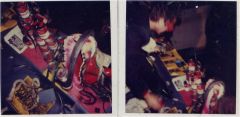
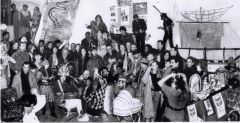
Plexus Art Redefinition of a Campbell Soup Can
by Lenny Horowiitz
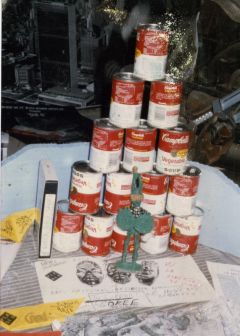
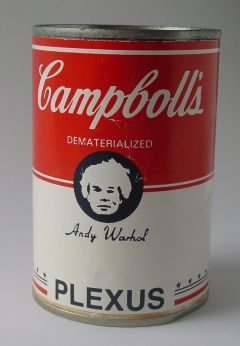
What does a PLEXUS Can look like?
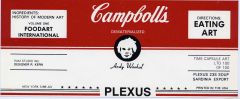
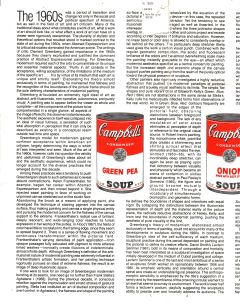
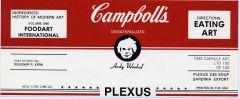
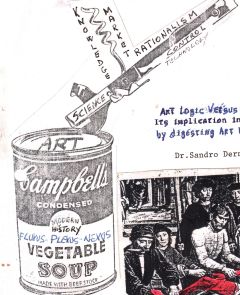
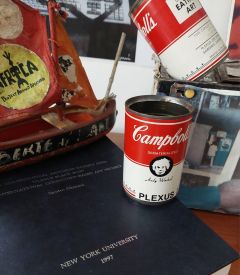
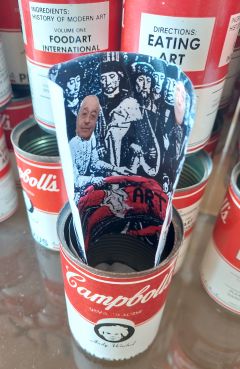
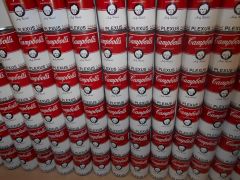
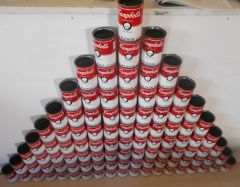
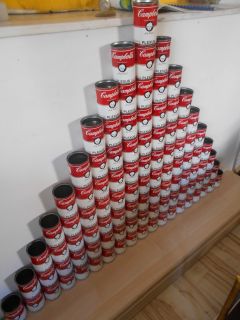
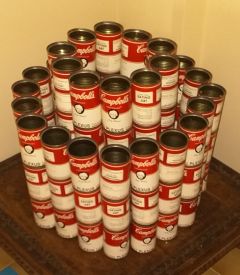
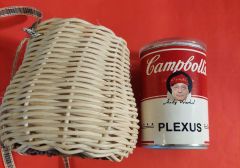
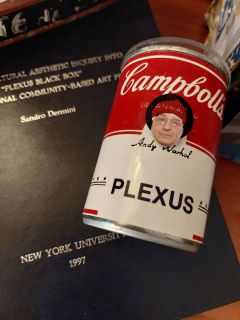
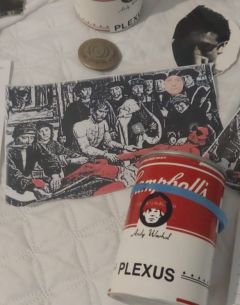
It looks like an Andy Warhol's Campbell soup can, if it is exposed to a beholder of the artworld. Its label is red and white. The "e" of Campbell is changed to an "o" in Campboll's, It has a central circle with the words "Dematerialized Andy Warhol" and Andy Warhol's face which hold the center of attention. On its bottom the word PLEXUS.
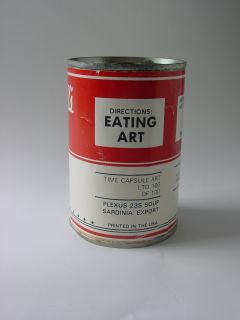
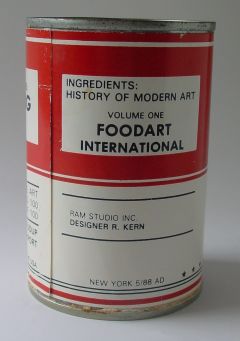
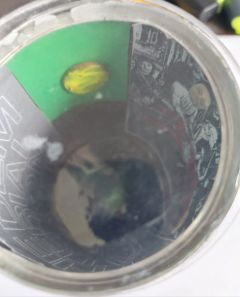
It has a cylindrical form, balanced symmetrical design, a spatial organization with 2 red and white rectangular units, with written messages:
"DIRECTIONS: EATING ART and "INGREDIENTS: HISTORY OF MODERN ART, VOLUME 1- FOODART INTERNATIONAL".
Below Direction: Time Capsules Art. LTD 100 of 100. PLEXUS 23S Soup Sardinia Export. Printed in the USA
Below Ingredients: Ram Studio Inc - Designer R. Kern. New York, 5/88 AD.
Ingredients
History of modern art
Volume 1
Foodart international
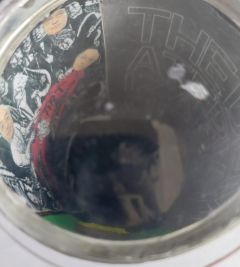
What does a Plexus Campboll's Soup Can contain?
The History of Plexus 1982- 2024
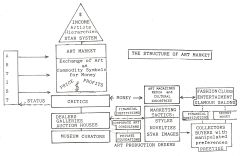
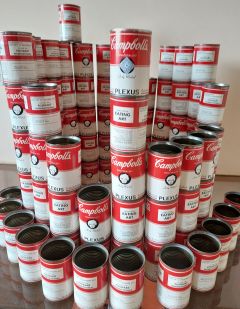
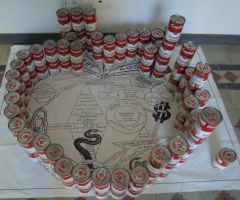
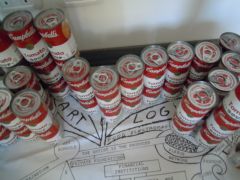
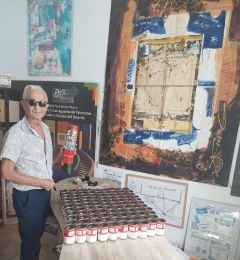
The Artworld by Arthur Danto: "to see something as art requires something the eye cannot decry-an atmosphere of artistic theory, a knowledge of the history of art: an artworld. Andy Warhol's Brillo boxes, because they were made by a person with an "artistic identification" belonging to an artworld, made them "Art".
An artifact can acquire the status of a candidate for appreciation within the system that Danto has framed and explained as "The Art World".
For instance, Duchamp's "Fountain" is not just a misplaced urinal, as Arthur Danto wrote, "Once one accepts the possibility that a Brillo box by Warhol is a work of art, while an ordinary Brillo box is not, it is plain that the differences are not of a kind that meet the eye, and that the phenomenology of perception cannot be appealed to effect the differences, which are philosophical. The point is that Warhol's box acquires, in virtue of'being art, properties ontologically unavailable to its counterpart, and the problem of the philosophy of art is to explain not just how this is possible, but what the status of these properties is, in as much as the properties would not be present to the eye if you did not know you were looking at a work of art".